Riding an E-Bike in Hot Weather: A Teen's Summer Guide
Riding an e-bike in hot weather? Stay safe with water, sun protection and battery care tips, plus the heat warning signs to know. More at bikehero.au.
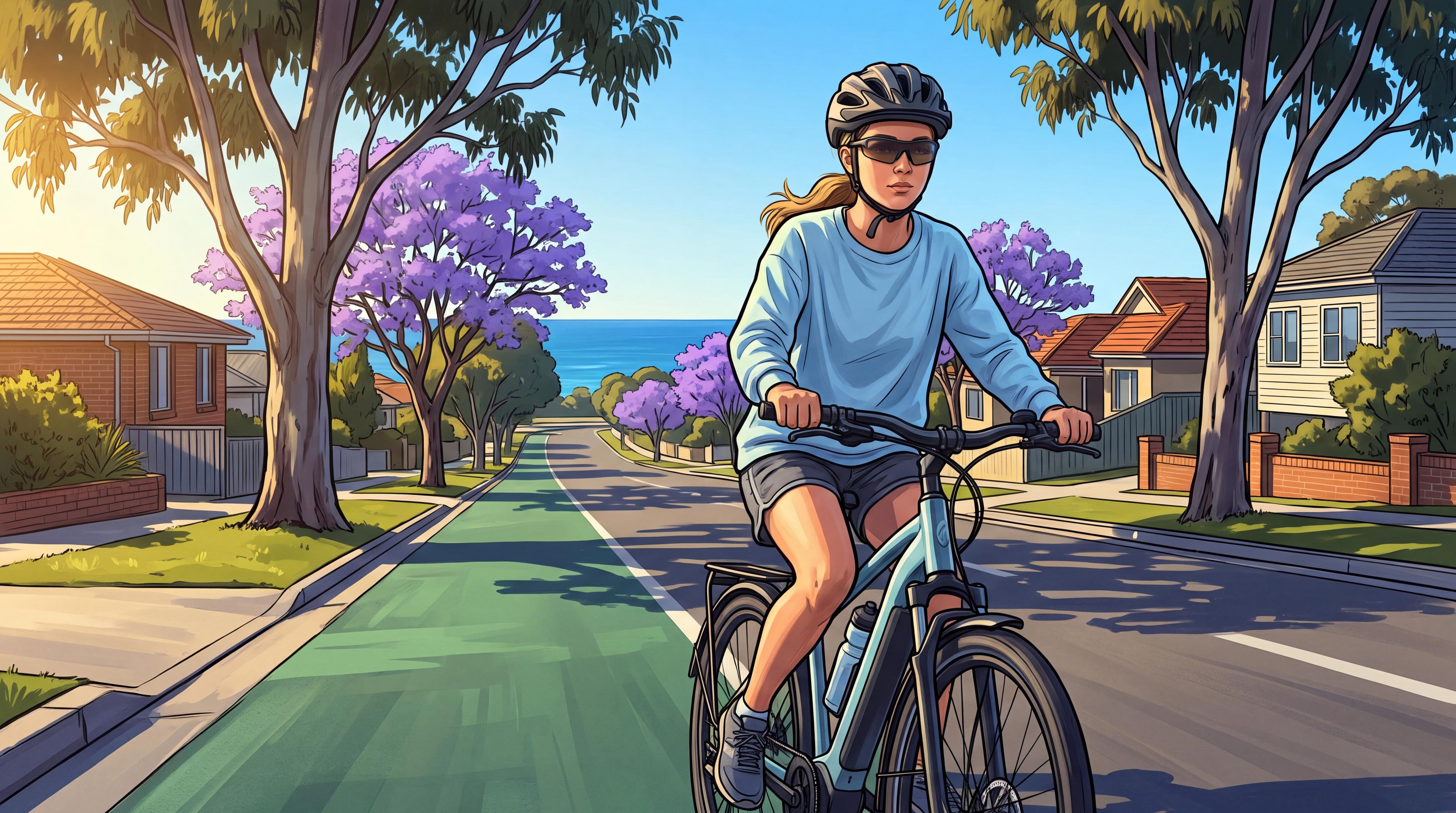
Riding an e-bike in hot weather is one of the best parts of summer, but heat brings its own boss level. Your body loses water through sweat, exposed skin can get sunburnt, and your battery has opinions about the heat too. This guide covers four ways to cut your summer riding risks: hydration, sun protection, battery care and knowing when to stop.
How do you ride an e-bike safely in hot weather?
Check the forecast, avoid the hottest part of the day, carry water and drink before you feel thirsty, and use sunscreen, sunglasses and covering clothing. Stop and cool down if you feel unwell. Confusion in the heat can be a sign of heat stroke, so if you suspect it, call 000 straight away (NSW Health).
Plan your ride around the heat
The easiest win is timing. NSW Health advises avoiding the outdoors in the hottest part of the day as much as possible, and limiting physical activity to early in the morning when it is coolest (NSW Health, Keep cool, stay hydrated).
So if you have a choice, ride early. An early ride can help you avoid the afternoon heat, but check conditions for the trip home too.
Before you head out, check two things on your phone:
Heatwave warnings. The Bureau of Meteorology issues heatwave warnings for severe or extreme heatwaves across Australia. No warning doesn't mean no risk, so check your local forecast too. In NSW, NSW Health also links to NSW Ambulance heatwave warnings (NSW Health, Hot weather and heatwaves).
The UV level. You cannot see or feel UV, so Cancer Council suggests checking it on the SunSmart app or the Bureau of Meteorology website (Cancer Council, Be SunSmart).
If it is a scorcher, a shorter, shadier route can cut your time in the sun, but putting the ride off may be the safer call. Skipping a ride on a dangerous heat day is the hero move.
Water is your XP bar
Even with pedal assist, hot weather and physical activity can make you lose water and salt through sweat (NSW Health).
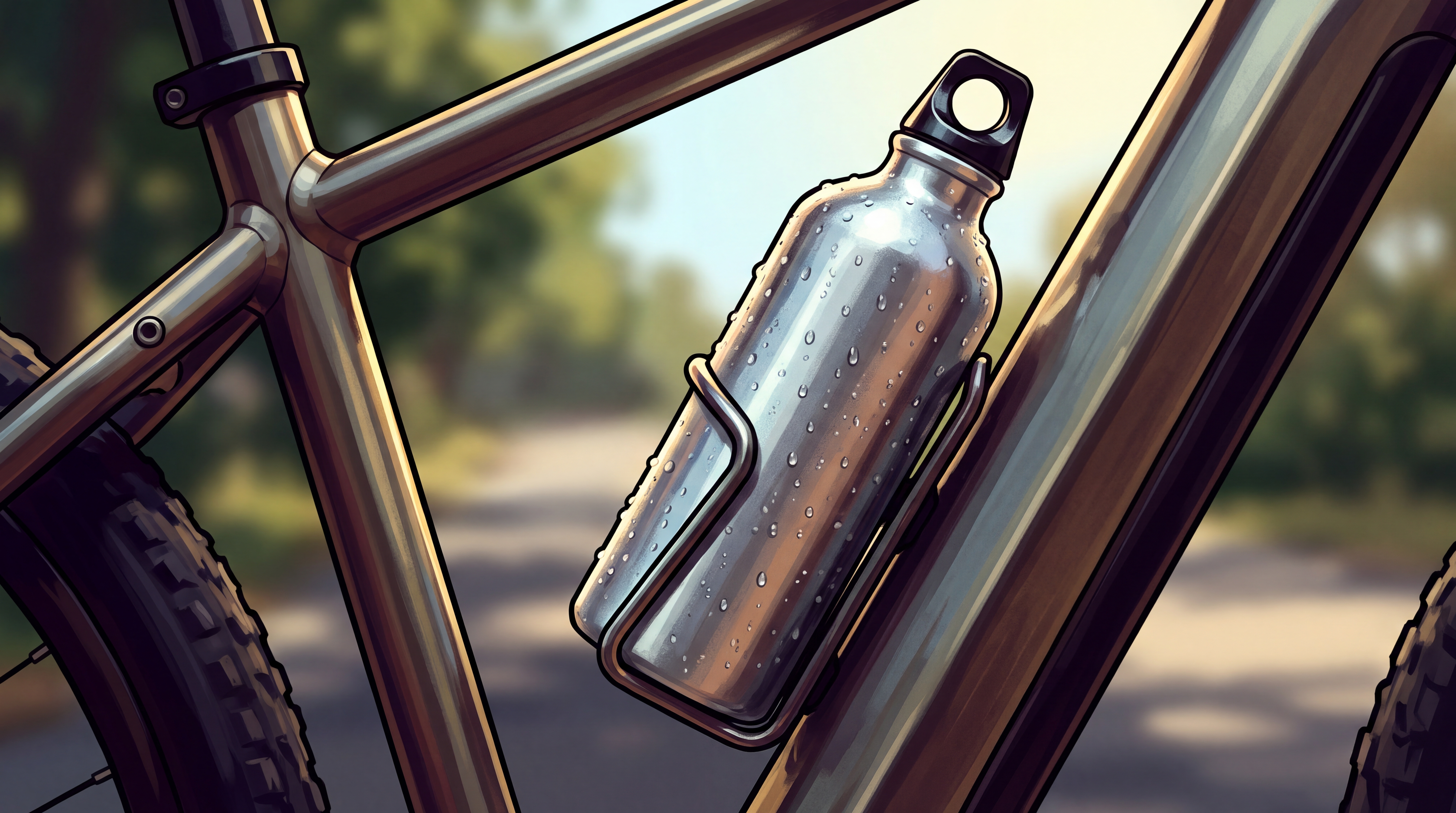
NSW Health's advice is simple: drink water regularly, even if you don't feel thirsty, carry water with you if you will spend time outdoors, and don't swap water for sugary drinks. If a doctor has told you to limit fluids, ask them how much to drink in hot weather (NSW Health).
For riders that means carrying water, drinking regularly and planning where you can refill on longer trips. How much you need depends on the heat, the ride and any medical advice you have.
Sun protection with your helmet on
Cancer Council recommends sun protection whenever the UV level is 3 or higher, and below 3 too if you are outdoors for long periods or near reflective surfaces. Its five SunSmart steps are slip, slop, slap, seek and slide (Cancer Council).
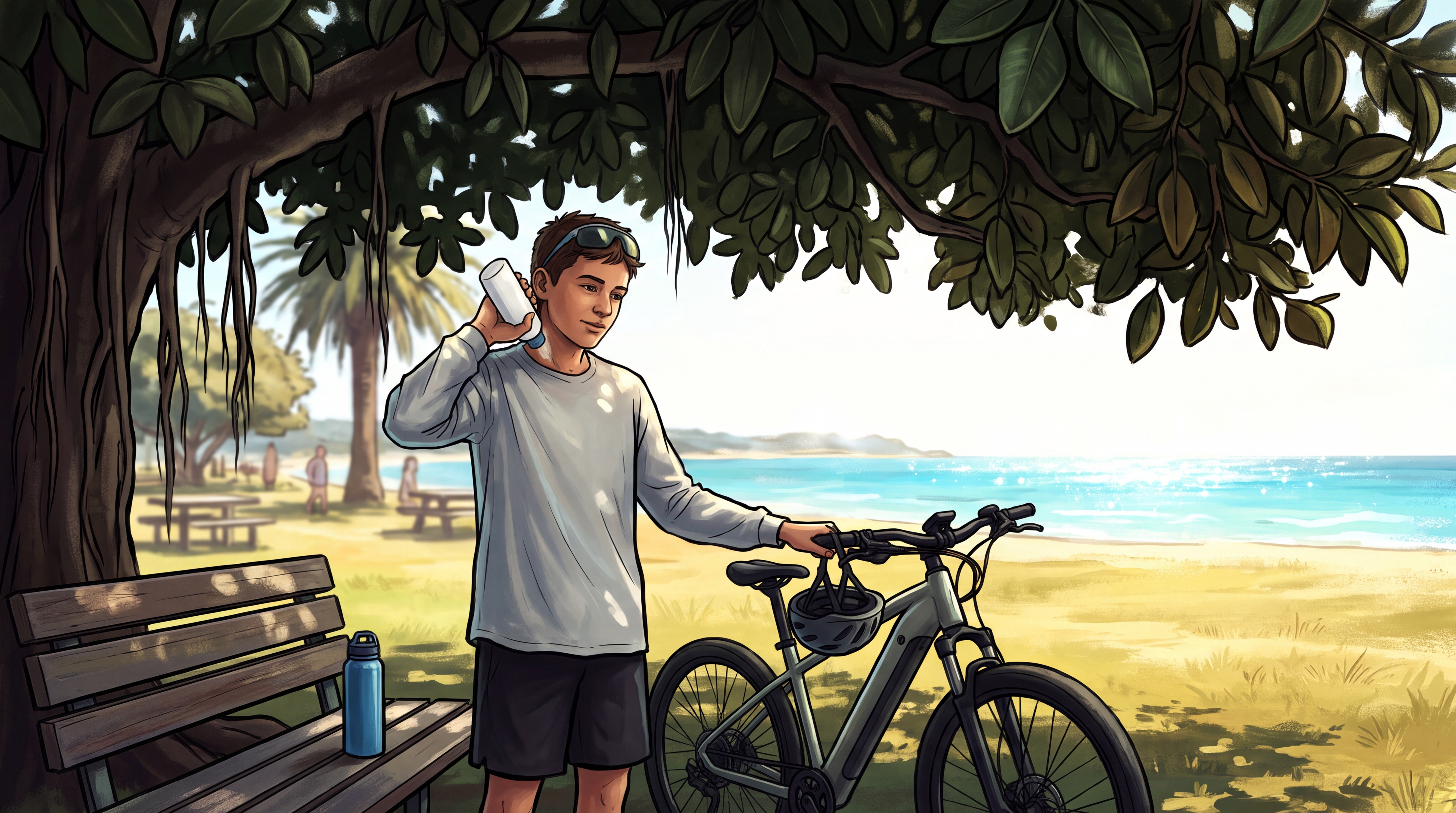
Keep your helmet on, fitted and fastened while you ride. For breaks off the bike, bring a broad-brimmed, bucket or legionnaire-style hat that shades your face, nose, neck and ears. Cancer Council says caps and visors don't give enough protection (Cancer Council). Then cover the rest:
Slop on sunscreen. Cancer Council recommends SPF50 or SPF50+, broad-spectrum, water-resistant sunscreen, applied generously to clean, dry skin at least 20 minutes before you go outside, and reapplied every two hours or after swimming or heavy sweating (Cancer Council). Remember exposed spots like your neck, ears, nose and the backs of your hands.
Slip on covering clothing. Cancer Council suggests clothing that covers as much skin as possible, and some clothing carries a UPF rating that shows how much UV protection the fabric gives (Cancer Council).
Slide on sunglasses. Cancer Council recommends close-fitting wraparound sunglasses that meet the Australian Standard AS/NZS 1067. Check the lens category on the label. The ACCC says category 4 lenses must never be used when driving, so don't wear them on the road either, and some sunglasses make it harder to see in low light, so pick a pair that suits the conditions (ACCC, Sunglasses guide). Sunglasses also help keep bugs and dirt out of your eyes (NSW Government).
Seek shade. Choose shaded places for your stops and put your hat on. Keep your other sun protection going too, because Cancer Council notes UV can still reach you in the shade by reflection (Cancer Council).
Never take your helmet off to cool down while you are riding. In NSW, riders are required by law to wear an approved bicycle helmet securely fitted and fastened (NSW Government, Wearing the right gear). Cool off at a stop instead.
Your battery hates the heat too
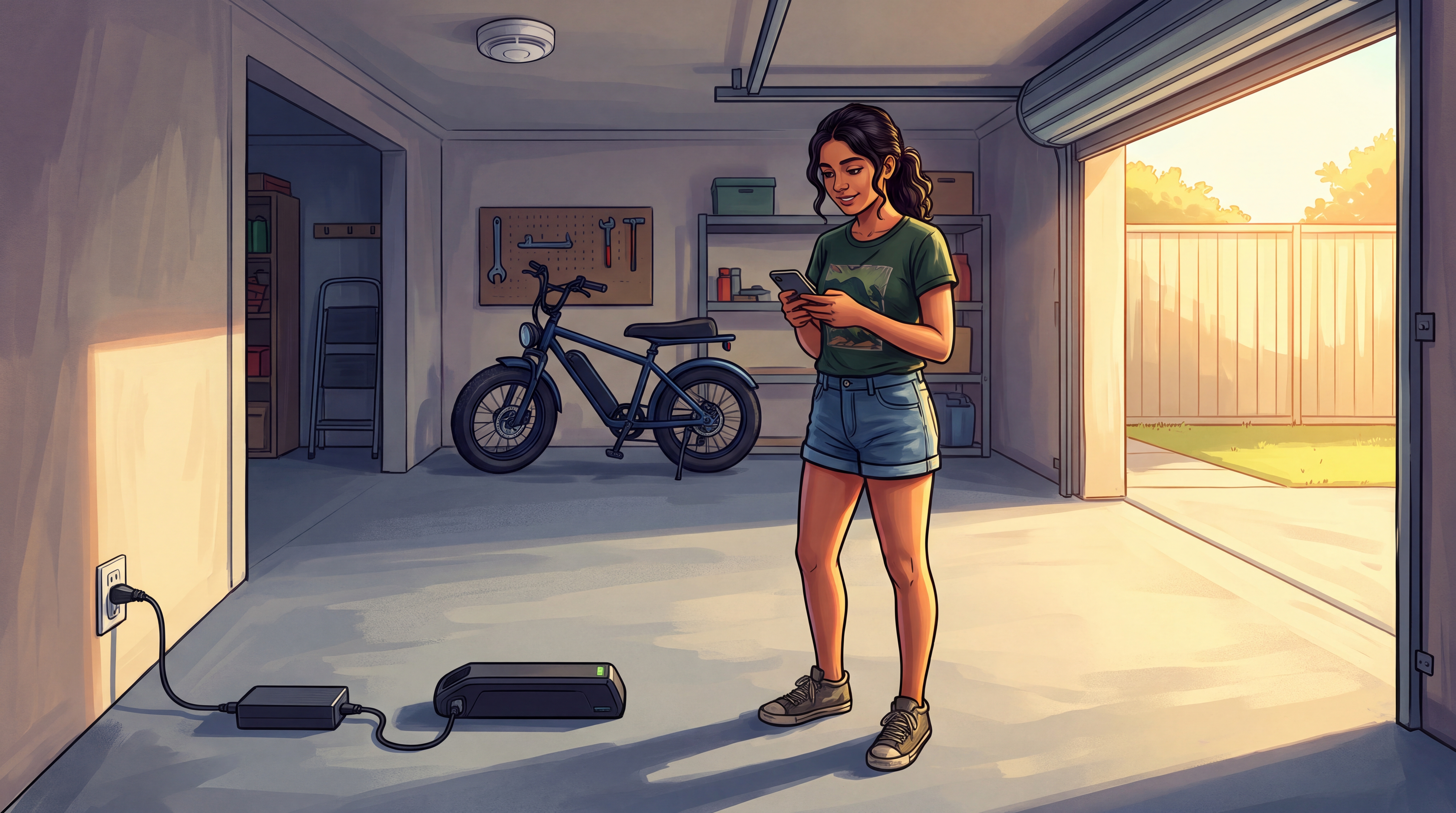
High temperatures can create a battery fire risk, so start with these precautions from Fire and Rescue NSW (FRNSW). Charge and store your battery in a cool, dry place, out of direct sun, on a hard surface that can't burn, like concrete or tiles. Keep it away from beds and bedrooms, living spaces, carpet, sofas and anything flammable, and clear of exits, hallways and stairs. Have a working smoke alarm there, or a heat alarm where a smoke alarm can't be installed. Never charge it while you are asleep or not around, and stay nearby while it charges. FRNSW says larger batteries should be charged in a garage, shed or carport, and that spot still has to meet every condition here (FRNSW).
FRNSW also says never to store or leave batteries and devices where they can be exposed to heat or moisture, and warns that direct sunlight and parked vehicles can quickly heat devices up (FRNSW, How can I prevent my batteries from catching fire?).
On top of that:
Keep the battery and the e-bike out of hot parked cars and direct sun.
Unplug it once it is full.
Only use the charger that came with the bike, or a certified charger compatible with your battery's specifications. FRNSW says to check chargers carry the Regulatory Compliance Mark.
Follow your manual's temperature limits and its advice on charging after a hot ride.
Don't use or charge a battery that is swollen, leaking, overheating or damaged.
Agree on the charging spot with an adult, using every condition above.
Know the battery warning signs
FRNSW lists warning signs in a battery, including pungent odours, swelling or bulging of the case, leaking, overheating, and popping, hissing or crackling sounds, smoke or fumes (FRNSW, What should I do if my battery is smoking or on fire?). Never touch a battery to check if it is hot.
Here is the BikeHero rule to remember:
Hot or swollen? Don't touch or move it, switch off at the powerpoint if safe to do so, and tell an adult.
Hissing, a strong smell, smoke or fire? Get out and call 000.
FRNSW says battery gases and smoke are highly toxic, so don't breathe them in. Get out, close doors behind you only if it is safe, stay out and wait somewhere safe for firefighters. Anyone exposed to battery liquid, flying debris, smoke, fumes or flames needs urgent medical help, so tell the 000 operator about it (FRNSW).
Know when to stop riding
Heat-related illness can affect anyone, and heat exhaustion can quickly become severe (NSW Health, heat-related illness).
NSW Health lists signs of heat exhaustion including headache, nausea or vomiting, dizziness or fainting, weakness, pale skin, thirst, heavy sweating and muscle cramps (NSW Health). If you or a mate notice these on a ride:
Stop riding and get out of the heat to shade or somewhere cool indoors.
Loosen clothing and cool down with water on your skin.
Sip water, but only give water to someone who is fully conscious and able to swallow (healthdirect).
Tell an adult. If it doesn't get better, NSW Health says to seek medical care, for example by calling healthdirect on 1800 022 222 (NSW Health).
If someone faints, becomes confused, can't drink, or is getting worse, call 000. When you're not sure, call.
Heat stroke is a medical emergency. NSW Health lists signs including confusion, slurred speech, hot dry skin or heavy sweating, and loss of consciousness (NSW Health). If you are worried someone has heat stroke, call triple zero (000) straight away. While you wait, move them somewhere cooler if it is safe, loosen their clothing, cool their skin with water and stay with them. Follow everything the 000 operator tells you. If they stop responding, the operator will talk you through what to do next, including checking their breathing.
Feeling faint in the heat? Stop riding and get help straight away. That is what a real rider does.
Frequently asked questions
Can I take my helmet off if it's really hot?
Not while you're riding. Keep it on, fitted and fastened, and cool off at stops in the shade instead.
Should I ride if there's a heatwave warning?
Check the Bureau of Meteorology heatwave warnings for your area first. Follow the advice in the warning and think about putting the ride off. NSW Health advises avoiding the outdoors in the hottest part of the day as much as possible (NSW Health).
Level up your summer riding
BikeHero is designed to help Australian teens ride smarter and give parents peace of mind. Planned lessons include Battery Safety, Essential Gear and Emergency Help. Find out more at bikehero.au.


